
Call us on: 01253 311431 | Email: enquiries@ren-uk.com
If left untreated, it can cause serious harm, but with today’s treatments, people living with HIV can lead long, healthy lives.
On this page, you’ll find clear information about HIV, including how it is passed on, how to reduce risk, available treatments, and how to support people affected by the virus. Knowledge helps reduce fear, challenge stigma, and support better health for everyone.
HIV stands for Human Immunodeficiency Virus. It affects the immune system, making it harder for the body to fight off infections and illness.
The term “immunodeficiency” means the virus weakens the body’s natural defence system over time. If HIV is left untreated, it can cause serious damage to the immune system.
There is currently no cure for HIV, but treatment is highly effective. With the right treatment and support, people living with HIV can stay well and live full, healthy lives.
When HIV was first identified, many people living with the virus became seriously unwell because there were no effective treatment options available. Today, this is much less common in the UK because HIV treatment is highly effective.
You may still hear the term AIDS, but healthcare professionals now more often use terms such as late-stage HIV or advanced HIV. These are used to describe HIV that has progressed significantly and caused damage to the immune system.
If someone living with HIV is on effective treatment and has an undetectable viral load, they cannot pass the virus on sexually, there simply isn’t enough virus in their body to pass it on. This is known as U=U, which stands for undetectable equals untransmittable.
This is one of the most important messages in HIV awareness today. It helps reduce stigma, encourages people to access treatment, and shows how effective modern HIV care can be.
If HIV is left untreated, it can progress through different stages over time.
Some people get a short illness soon after they acquire HIV. This is sometimes called seroconversion illness, or acute HIV infection.
For some people, it is so mild that they do not notice it at all. Others may think it is just a flu-like illness, while some feel more unwell and may need medical advice.
This is also the stage when HIV is most likely to be passed on.
After seroconversion, many people feel well and do not have any symptoms for quite some time.
This is known as the asymptomatic stage, and it can last for several years.
Even if you feel fine, the virus is still active in the body.
HIV continues to copy itself and gradually weakens the immune system if it is not treated.
If HIV is not treated, the immune system becomes weaker over time, making it harder to fight off certain infections and illnesses.
At this stage, a person may start to develop symptoms or health problems linked to HIV.
This is known as symptomatic HIV.
If HIV is left untreated for a long time, it can cause serious damage to the immune system.
This can lead to more severe opportunistic infections and certain cancers.
This stage is sometimes referred to as late-stage HIV or advanced HIV.
HIV can only be passed on when someone has a detectable viral load. It is transmitted through certain bodily fluids.
HIV stigma refers to the prejudice, negative attitudes, and discrimination directed toward people living with HIV. It is often rooted in inaccurate information about the virus, misunderstandings about how it is passed on, and wider moral judgments around sex and drug use.
This kind of stigma can leave people feeling ashamed, isolated, rejected, or unfairly treated at home, at work, or in healthcare settings. It can also stop people from getting tested or starting treatment because they fear what a diagnosis might mean for their relationships, wellbeing, or place in their community.
Challenging stigma is an important part of improving health outcomes and reducing harm. Clear information, supportive services, and open conversations all help create safer, more compassionate communities.
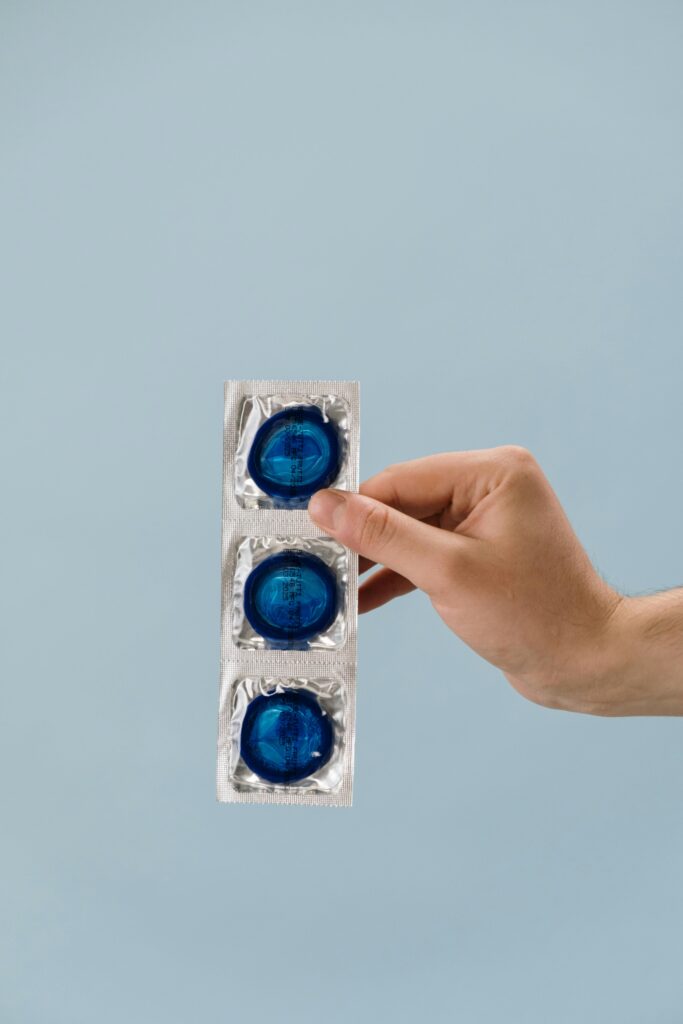
Condoms are one of the best ways to reduce the risk of HIV and other sexually transmitted infections. They are simple to use, widely available, and provide protection straight away.
Male condoms roll onto the penis and create a barrier that stops fluids carrying HIV from being passed on. Female condoms are worn inside the vagina or anus and can be a good alternative for people who want more control over protection or cannot use male condoms.
PrEP stands for Pre-Exposure Prophylaxis. It is medication taken to reduce the risk of getting HIV. It is most commonly taken as a daily tablet, although some people may also use event-based dosing, sometimes called on-demand PrEP, which involves taking it before and after sex.
PrEP is especially useful for people at higher risk of HIV exposure, including people with a partner who is living with HIV and has a detectable viral load, or people who do not always use condoms. When taken correctly, it is over 99% effective.
The easiest way to get started on PrEP is to book an appointment at your local sexual health clinic – find your closest here.
PrEP is generally well tolerated. Some people may experience side effects when they first start taking it, such as:
These side effects are usually mild and often improve after the first few weeks. If side effects continue or become difficult to manage, speak to a healthcare professional.
If you are taking PrEP long term, you will usually be offered regular check-ups to monitor your health and make sure the medication is still right for you.
For most people, PrEP is taken as a tablet. How often you take the tablet will depend on which dosing method you are using. The best dosing method for you will depend on the type of sex you are having, how often you have sex and what your healthcare professional recommends.
Daily dosing is best if you have sex often, are not sure when you’re going to have sex, or if you simply want protection 24/7.
You should always start a new course of PrEP with a double dose (2 pills), your protection will start 2 hours after you take this dose.
With daily dosing you then just continue taking 1 pill at the same time every day after this.
If you choose to dose on-demand (just around when you have sex) the dosing will depend on the type of sex you are having.
For receptive anal and insertive vaginal / neovaginal / anal sex: Start with a double dose (2 pills) 2-24 hours before sex, then continue with a single pill a day until it’s been 2 days since you last had sex
For receptive vaginal / neovaginal sex: Start with a double dose (2 pills) 2-24 hours before sex, then one tablet per day, until 7 days after you last had sex.
There are three different drugs used for PrEP in the UK. Which one works best for you will depend on your circumstances, and your healthcare professional will discuss these with you.
This is the standard form of PrEP that the vast majority of PrEP users are on in the UK.
The NHS will provide a generic version of this drug through sexual health services, the drugs are exactly the same, it just won't be branded Truvada.
Descovy is very similar to Truvada, but is used by people who have ongoing kidney issues, osteoporosis or who are under 18.
Descovy also isn't used in people who were assigned female at birth, as there isn't enough research into whether or not it is effective in this population.
Cabotegravir is an injectable version of PrEP that can be used by people who struggle to take pills or can't take them for medical reasons.
It is given as an injection into a muscle, and is given as two initial injections one month apart, and then further injections every two months after that.
PEP stands for Post-Exposure Prophylaxis. You might also see it called PEPSE which means Post-Exposure Prophylaxis following Sexual Exposure. It is emergency medication that can help stop a HIV infection taking hold after possible exposure.
PEP must be started within 72 hours, and the sooner it is started, the better it works. Treatment is taken every day for 28 days.
If you think you may need PEP, go to a sexual health clinic straight away. If it is the weekend or if sexual health clinics are closed, do not wait until they open again, go to A&E instead.
PEP is a powerful course of medication, and it is quite expensive to prescribe, so a clinician may ask a few questions before prescribing it. They may ask who you had sex with, what kind of sex you had, and how likely it is that HIV could have been passed on. If the other person is living with HIV, they may also ask whether they are on treatment and whether their viral load is undetectable.
If someone living with HIV has an undetectable viral load, HIV cannot be passed on sexually, so PEP would not be needed. In that situation, the risk of transmission is effectively zero.
If your healthcare professional decides PEP is appropriate, you will usually be asked to have an HIV test first. This is to check that you do not already have HIV. If the test shows that HIV is present, you will be offered the right treatment and support instead of PEP.
Getting tested for HIV is quick, easy, confidential and an important part of looking after your health. Knowing your status helps you stay healthy, access support early, and reduce the risk of HIV being passed on.
Testing is simple, and some results can be ready in minutes. Early diagnosis means earlier treatment, better health outcomes, and more confidence about the next steps.
There are many ways to get tested and you can choose whichever works for you.

We use cookies to improve your experience on our site. By using our site, you consent to cookies.
Manage your cookie preferences below:
Essential cookies enable basic functions and are necessary for the proper function of the website.
These cookies are needed for adding comments on this website.
Google reCAPTCHA helps protect websites from spam and abuse by verifying user interactions through challenges.
These cookies ensure the interactive quizzes on our website work correctly.
These cookies track your consent preferences between visits.
Statistics cookies collect information anonymously. This information helps us understand how visitors use our website.
Google Analytics is a powerful tool that tracks and analyzes website traffic for informed marketing decisions.
Service URL: policies.google.com (opens in a new window)
You can find more information in our Cookie Policy and Privacy Notice.
Home testing kits are provided by different services in different areas, so we need to know where you live to make sure we send you to the right service
Please log in to access this content.
Some parts of the website may change while we spruce things up. If you can’t find what you need, get in touch and we’ll point you in the right direction.